T.E.M.P.O: A Rhythmic Training Program for the Nervous System

The T.E.M.P.O. Program is the core delivery model of Miles with Purpose.
It is a science-informed, rhythm-based framework designed to strengthen stress tolerance, emotional regulation, attentional control, and social resilience.
Rather than treating symptoms after crisis, T.E.M.P.O. trains the nervous system proactively.
It is adaptable across age groups and implemented in community, educational, and institutional settings.
What Makes T.E.M.P.O. Different
T.E.M.P.O. is not a run club.
It is not group fitness.
It is not therapy.
It is a structured arc of rhythm delivered through movement.
Each session follows a deliberate progression:
Participants experience controlled stress, practice recovery skills in real time, and leave in a regulated state.

Activation → Regulation → Integration
The T.E.M.P.O. Framework
T.E.M.P.O. stands for:
Tension. Embodiment. Movement. Presence. Openness.
Each element builds upon the last.
Participants learn how to:
recognize their internal rhythms
intentionally shift those rhythms
and return to stability after disruption
T — Tension
Disrupting rhythm, intentionally
Stress is not inherently harmful. Chronic, unmanaged stress is.
T.E.M.P.O. introduces controlled physiological activation through structured aerobic intervals and challenge-based movement.

Tension becomes information, not threat.
E — Embodiment
Sensing internal rhythm
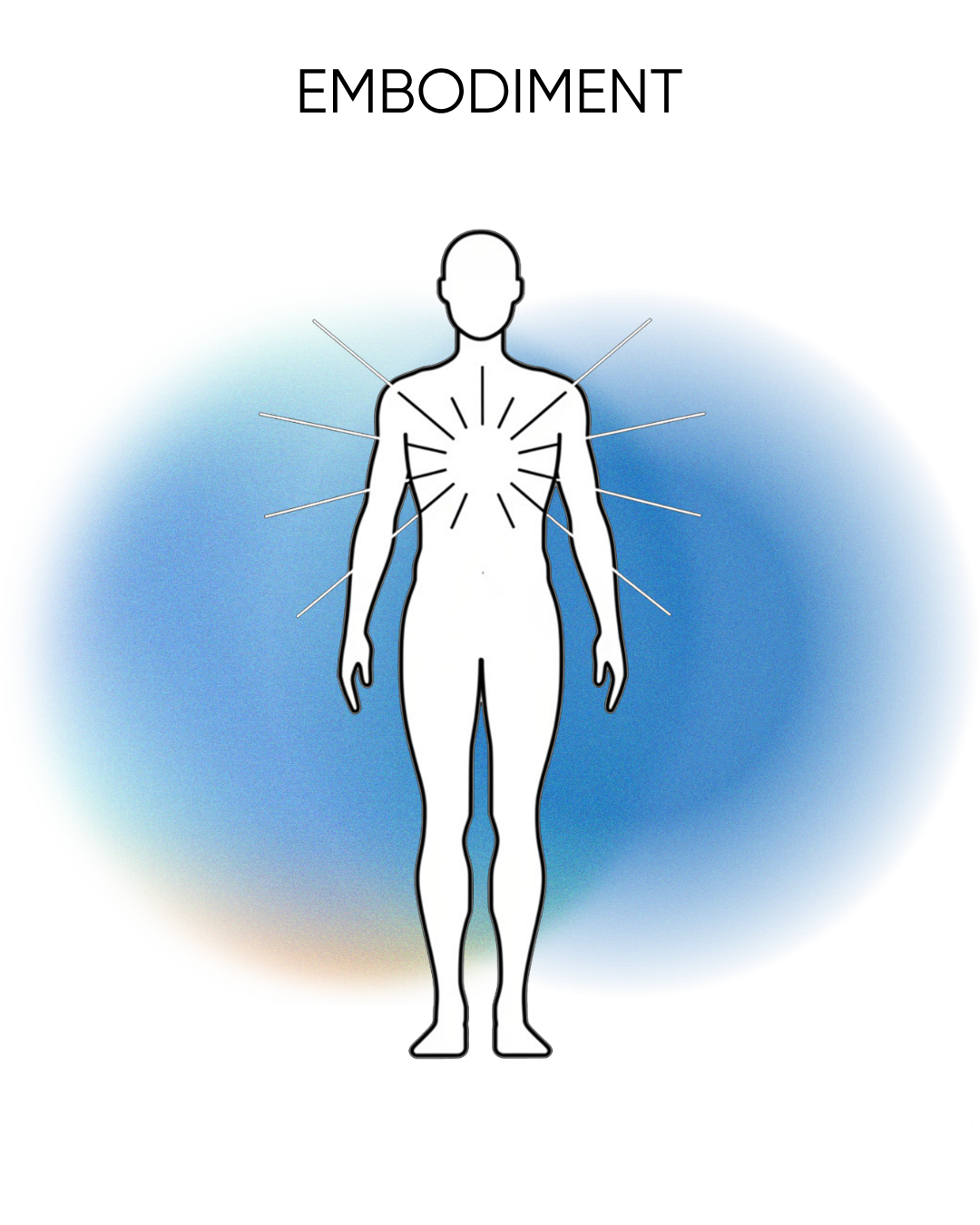
Embodiment refers to interoception — the ability to sense internal signals such as breath, muscle tension, and heart rhythm.
Participants build awareness of intrinsic rhythms—the rhythms within the body. Through diaphragmatic breathing, center-of-mass awareness, and guided internal check-ins, they develop literacy in their physiological state.
When individuals can sense internal change, they can influence it.
Embodiment transforms overwhelm into awareness.
M — Movement
Rhythm Regulates the Brain
Rhythmic movement stabilizes attention and supports nervous system balance.
Running and walking at intentional tempos create measurable cycles of activation and recovery. Breath pacing and controlled humming extend exhalation and stimulate vagal tone, reinforcing recovery pathways.
Movement becomes a vehicle for regulation — not just exertion.

P — Presence
Stabilizing rhythm under changing conditions
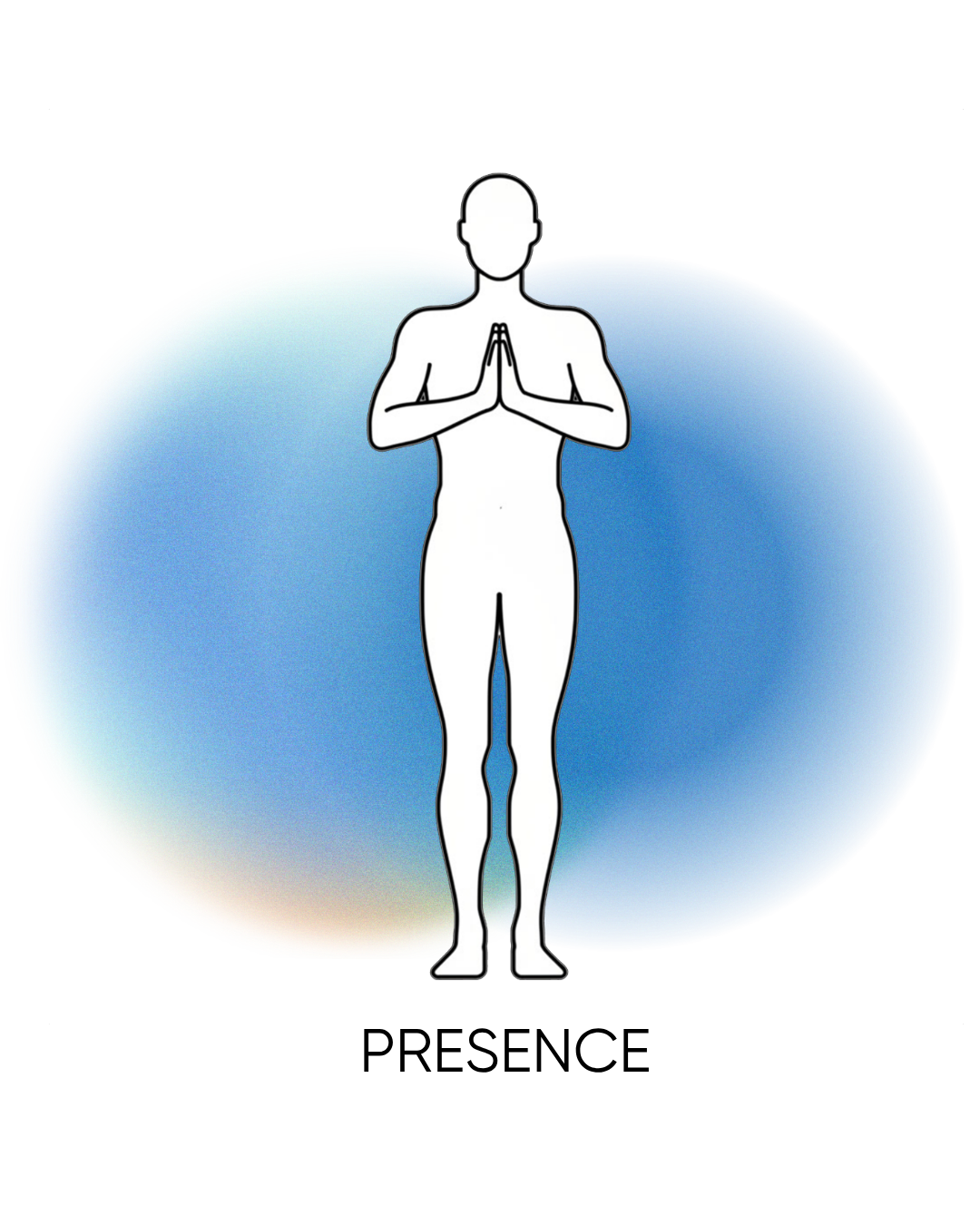
Presence is the capacity to remain anchored in the present moment rather than pulled into rumination or anticipatory anxiety.
Through breath counting, cadence awareness, silent intervals, and guided reflection, T.E.M.P.O. strengthens attentional flexibility.
Presence bridges physical effort and mental clarity.
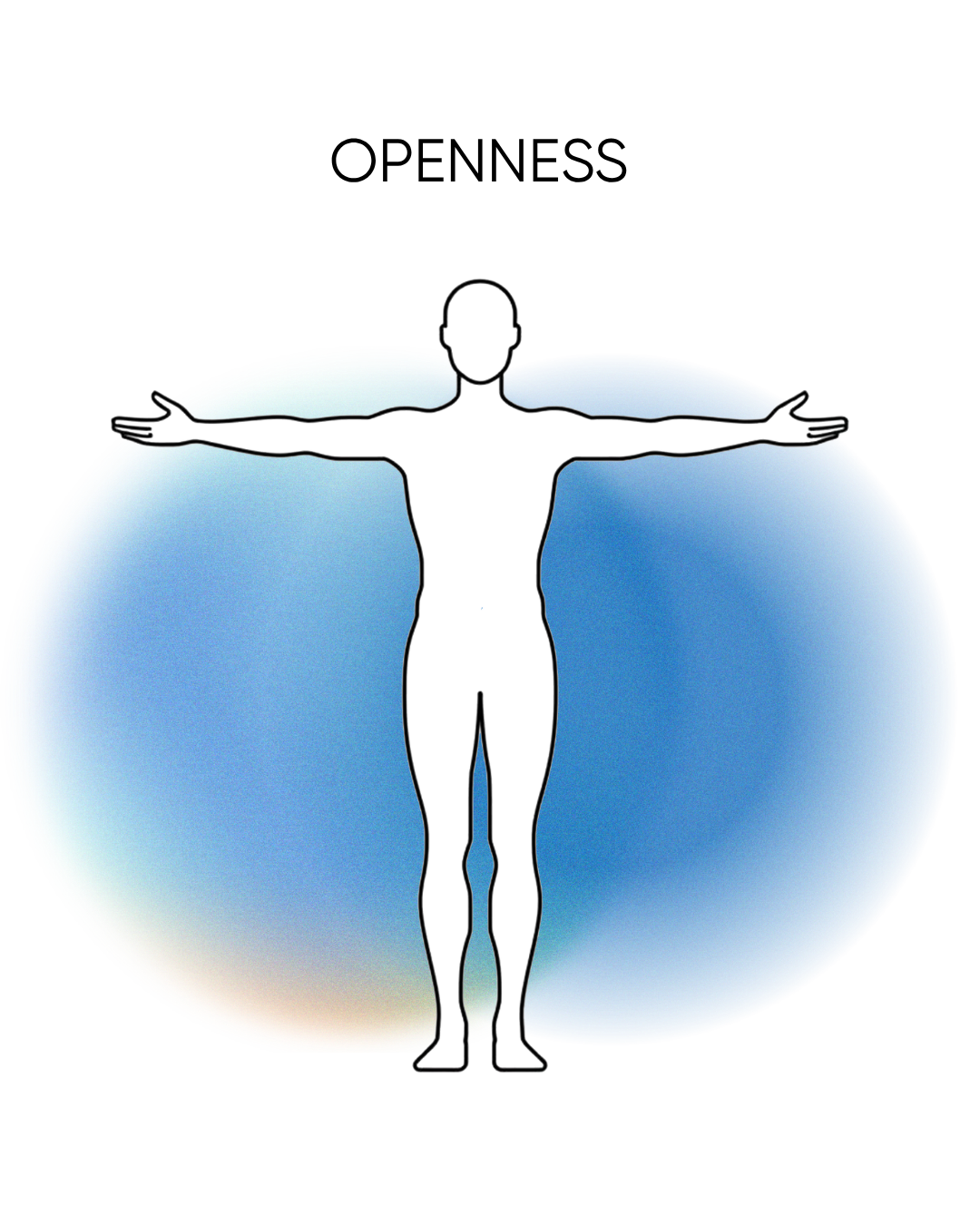
O — Openness
After stress and recovery, the nervous system becomes more receptive.
Structured walking dialogue, group reflection, and shared rhythm cultivate psychological flexibility and social buffering.
Openness is not forced vulnerability.
It is the ability to remain engaged and connected after activation.
Community becomes part of resilience.
Expanding into shared rhythm
Core Skills Trained
Across sessions, participants develop:
• Stress tolerance
• Breath control
• Recovery awareness
• Emotional literacy
• Social connection
These skills are reinforced through repetition and measurable progression.
Session Structure
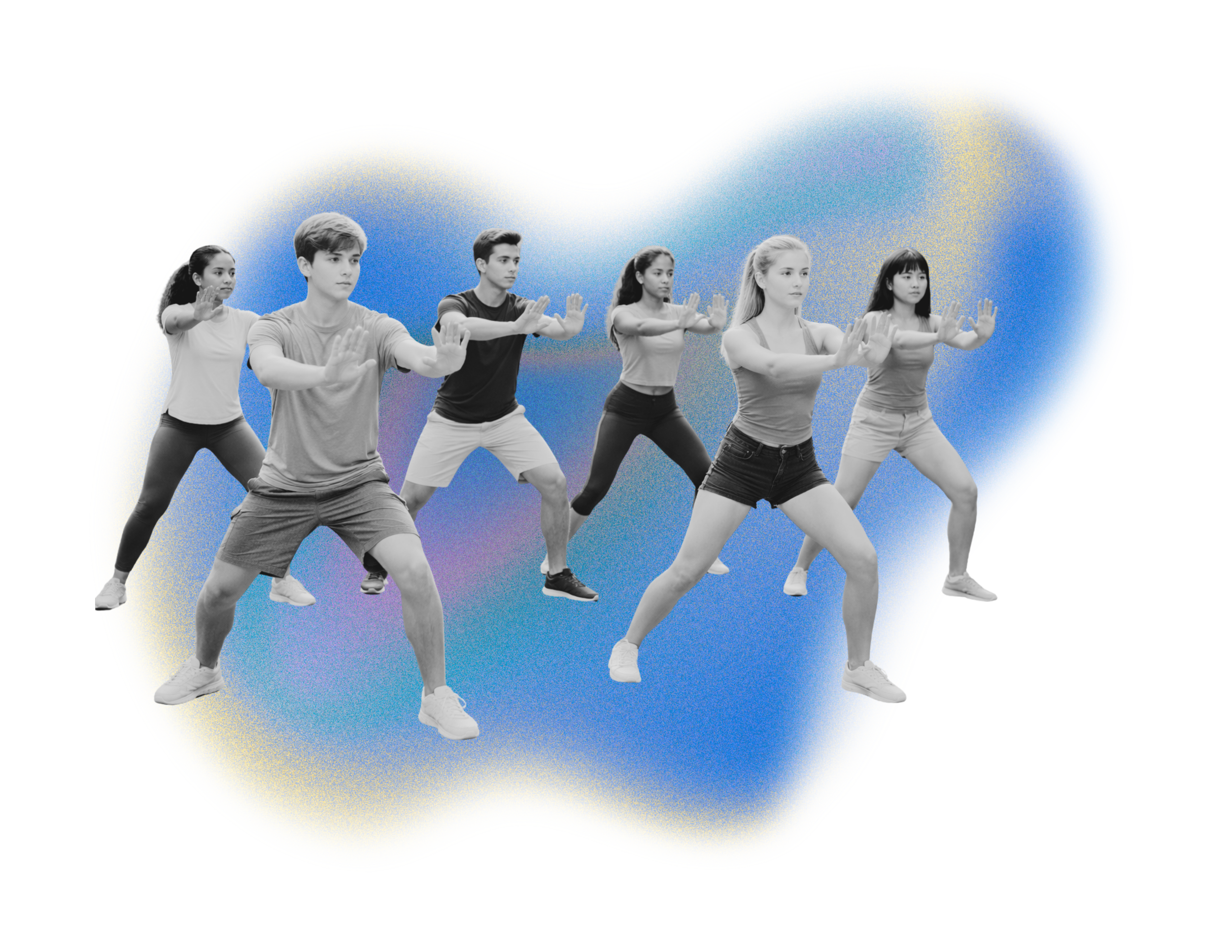
Establish baseline rhythm
Introduce controlled disruption
Sustain rhythm under stress
Return to regulation
Expand into shared rhythm
Sessions always end in a regulated state.
Scientific Foundations
The T.E.M.P.O. framework integrates research from:
• Autonomic nervous system regulation
• Interoceptive awareness
• Rhythmic entrainment
• Vagal tone stimulation
• Co-regulation and social buffering theory
The program is designed to evolve alongside emerging research and formal partnerships.
Safety & Scope
T.E.M.P.O. is not a substitute for clinical mental health treatment.
It is a preventative and complementary resilience-building model.
Participants are never pushed beyond safe exertion thresholds, and facilitators are trained to prioritize physiological regulation and emotional safety.
We are currently expanding partnerships with institutions interested in implementing structured resilience programming.
If you are interested in launching a T.E.M.P.O. cohort:
Bring T.E.M.P.O. to Your Community
Resilience is not accidental.
It is trained — at the right T.E.M.P.O.