
Our Beginning:
The Founder’s Story
Healing in Rhythm
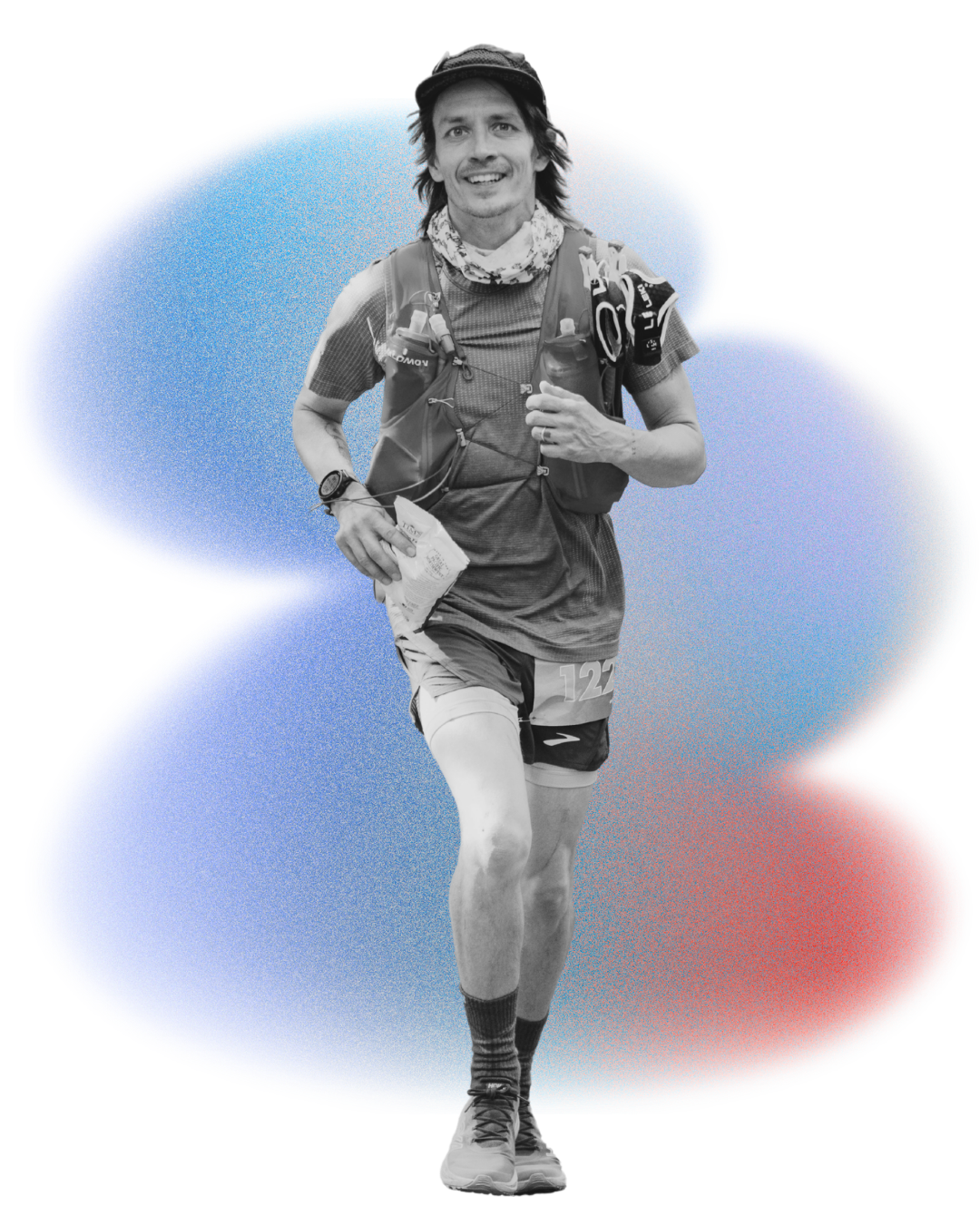
The only running I had ever done was away from things.
But after the birth of our first child, my wife suggested we run a half marathon together on Mother’s Day. I agreed reluctantly, expecting discomfort.
Instead, I found something else entirely.
When I run, the past falls a stride behind me and the future stays one step ahead. The fear and anxiety that live in those places lose their grip.
Running brings me into the present.
Breath and heartbeat begin to synchronize.
Thoughts quiet.
The noise settles.
Then I realized—it wasn’t about running. It was about rhythm.
Movement became more than exercise.
Movement became rhythm.
Running gave me something I hadn’t felt in years— a way back to the pocket.
A way to regulate stress.
A way to build resilience.
A way to return to center. A way to recalibrate life’s rhythms.
And with that came a deeper realization:
My brother didn’t just lose hope—he lost access to his rhythm. To purpose. To something that felt attainable and steady.
And he wasn’t alone.
Shared Tempo
In an increasingly isolated world, mental health struggles are often invisible until they become urgent. Support systems tend to activate after crisis—not before.
So I began asking a different question:
What if rhythmic movement could help people strengthen their internal rhythms before things break down?
There is growing research showing that consistent rhythmic movement can reduce symptoms of anxiety and depression and improve emotional regulation.
But beyond the research, there is something more fundamental—something human.
Rhythmic movement teaches us how to move between activation and recovery.
How to tolerate discomfort.
How to stabilize breath and heart rate.
How to stay when the mind wants to escape.
How to recover when things feel overwhelming.
These are not just athletic skills.
They are human skills.
Skills we are born with.
Skills our ancestors carried in their bodies long before we named them.
Skills we can relearn.
The Foundation
Miles with Purpose was founded on a simple belief:
Structured rhythmic movement can serve as preventative and complementary mental healthcare across the lifespan.
Our work is to bring that belief into practice.
We design and implement evidence-informed, trauma-aware rhythmic movement programs within communities and institutions.
We advocate for safe, accessible spaces to move.
And we pursue research to better understand why rhythm is such a powerful tool for mental well-being.
This work is not abstract.
It is personal.
And at its core—
It is about helping people find their rhythm again.
— Christopher Porcaro Founder and President, Miles with Purpose
The Natural Rhythm
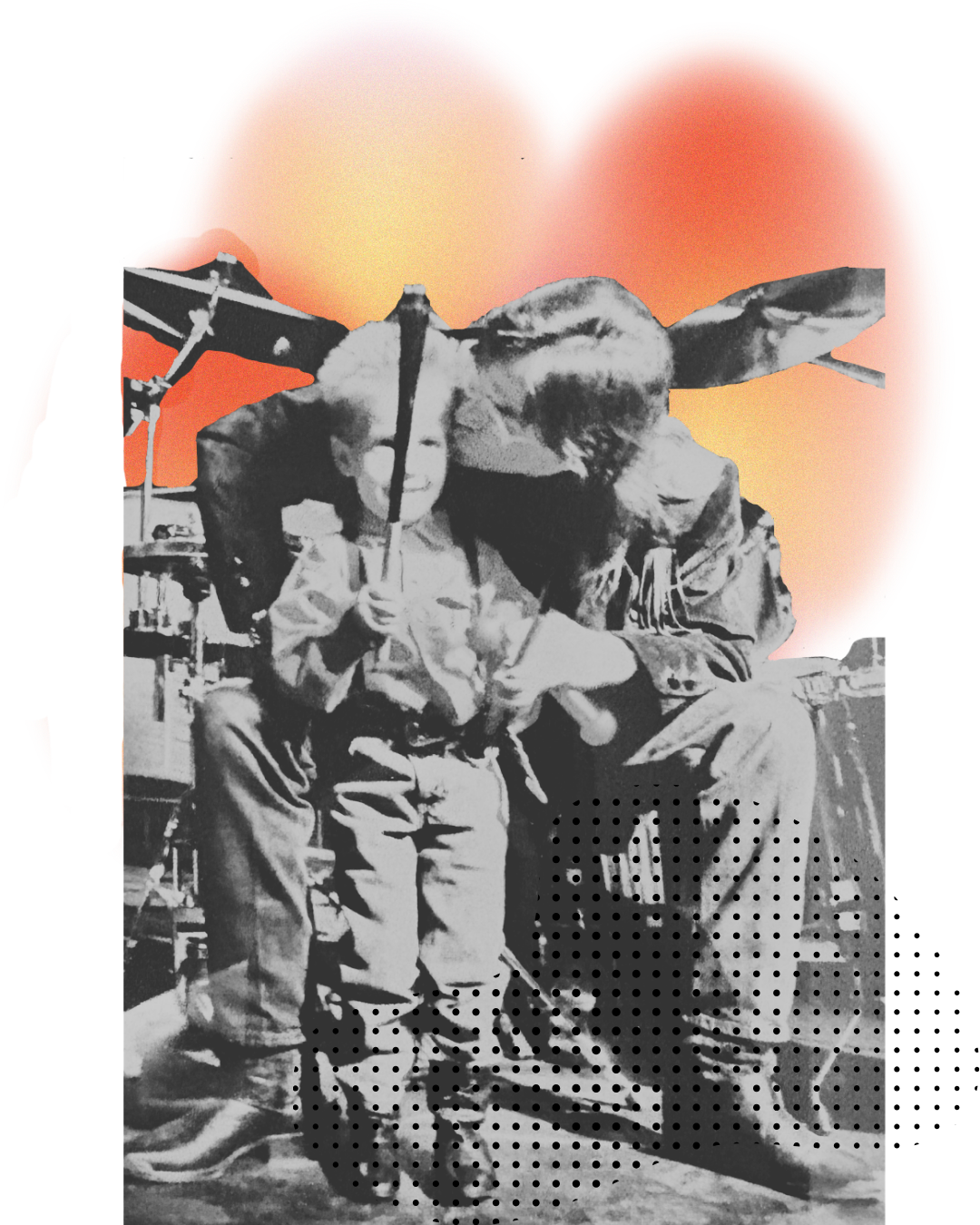
The first thing that ever made an impression on me wasn’t a memory or a sensation—it was a rhythm felt within. Specifically, my father’s voice repeating, “ma-ma da-da, ma-ma da-da.”
My father was a drummer, as was his father. Rhythm was the central force our family orbited. More than music, it was how he understood and expressed the world. He had a rare ability—to feel the natural rhythms moving through life and step into them. Musicians talk about the pocket—that rare space where players are so locked in together that they communicate beyond thought or language. My father could find that pocket everywhere, in any room, with anyone. Even over breakfast, he could make you feel like you were deep in the groove.
When he died unexpectedly, that rhythm disappeared.
And the absence was loud.
For me and my two younger brothers, the loss wasn’t just emotional—it was physiological. The steady beat that had grounded our lives was gone.
A New Syncopation
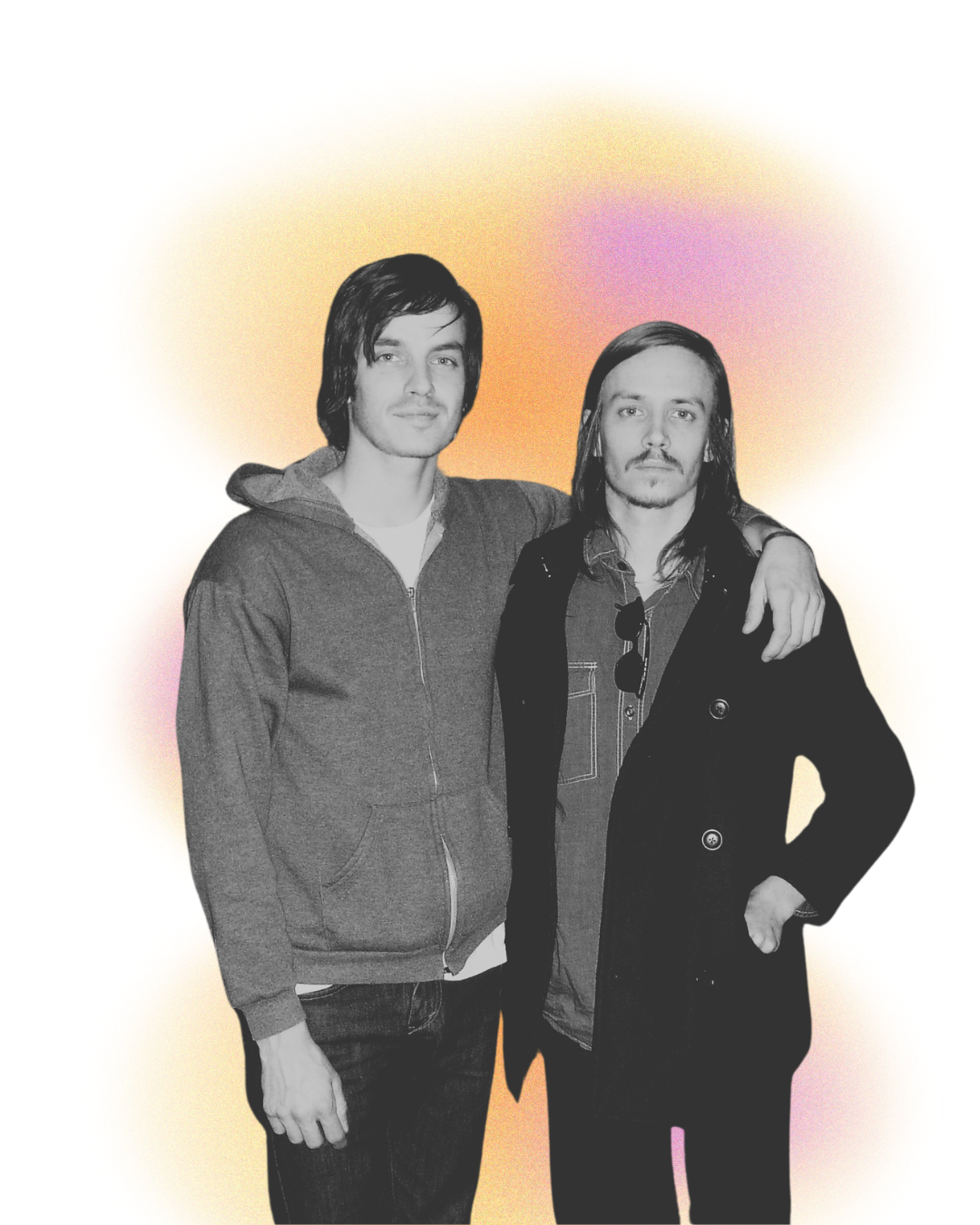
Years later, my brother Miles and I began experimenting with music. Slowly, something started to return. In brief moments, we could feel it again—that sense of connection, of alignment, of being in rhythm with both each other and something beyond ourselves.
What we shared went beyond trauma—beyond even blood. It was that same bond: the pocket. The same rhythm that had shaped us from the beginning.
But alongside that connection, we were both struggling.
Severe anxiety.
Depression.
Substance use as a way to cope with it all.
Over time, the positive rhythms in my life became inconsistent—faint, disrupted, sometimes disappearing entirely—while negative patterns grew louder. The same was true for Miles.
Eventually, the dissonance became too much for him to carry.
In 2017, my brother took his own life.
After losing Miles, I lost rhythm again.
Not just in life—but in everything.
I stopped playing music.
I stopped listening to it.
I couldn’t feel it anymore.
The connection was gone.
For a long time, there was just silence.
It wasn’t until I met my wife that something began to shift.
Slowly, I started to reconnect—to music, to feeling, to rhythm itself. At the time, I didn’t realize it was the beginning of something much bigger.
Our Mission
To improve mental health outcomes by implementing structured, rhythmic movement programs that serve as accessible therapeutic tools for depression, anxiety, PTSD, and related disorders.
Our Vision
A world where rhythmic movement is recognized and prescribed as essential mental healthcare.
Our Core Beliefs
Movement regulates the nervous system
Healing happens in rhythm
Community accelerates recovery
Structured stress builds resilience
Safe and accessible space IS preventive mental healthcare